
.jpg)


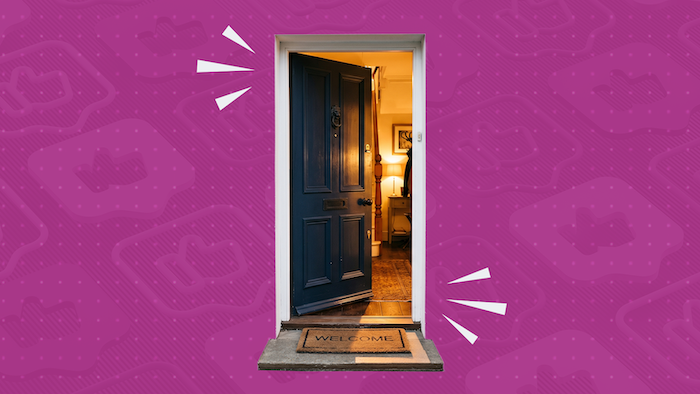
Your social media strategy is suddenly outdated. How do you adapt?
I came across this question on LinkedIn recently. There were more than 200 “expert answers,” most focused on algorithms, trends, and tactics.
My first thought? Relationship building.
That moment helped me put language to something I had been developing for years at Joni and Friends: a “Relationship First” social media strategy.
The “Relationship First” strategy is rooted in the idea that we must make relational deposits in order to earn the privilege to make withdrawals from your audience. This strategy builds a radically engaged audience and that has deep ripple effects in brand awareness and brand trust.
Shift the Perspective
When I joined the ministry in 2018, we made a deliberate shift in how we approached social media.
We stopped treating our platforms like bulletin boards for ministry announcements, financial needs, and desperate calls for volunteers, and started seeing them as spaces to build relationships. The reality was clear: we hadn’t made enough relational deposits to justify the constant withdrawals we were asking for.
So we changed focus.
We began creating content that added value to someone’s scroll. Sharing the hope of the Gospel, telling meaningful stories, and paying close attention to what resonated. Simultaneously, we showed up where our audience was already engaging: in comments and direct messages.
That shift, from self-focused to others-focused, opened the door to something deeper: hospitality in a digital space.
Digital Hospitality
I love the phrase “digital hospitality”, and people often ask me what it actually looks like on social media.
I usually answer with another question: What do you do when someone walks into your home?
You greet them warmly. You help them feel at ease. You offer them something to drink. You listen. You create space for meaningful conversation. And when they leave, you invite them back.
Hospitality isn’t complicated, but as digital marketers, we tend to overthink it.
Digital hospitality is simply applying those same instincts to your audience:
- Welcoming them in
- Lightening their load
- Offering something of value
- Engaging with them personally
- Inviting them into an ongoing community
And when we engage in this kind of hospitality, over time, trust builds, and our guests begin to bless us because we first cared for and blessed them. They spread the word to their spheres of influence, and you start building a reputation.
From Barriers to Opportunities
At this point, most teams raise a practical concern:
“We’d love to do this—but social media is something we get to after everything else.”
Or:
“What results justify this level of investment?”
I remember a pivotal conversation with our CMO. I said:
“Cultivating our audience on social media shouldn’t be that different from the approach our development officers take to cultivating relationships and building trust with potential donors. If a donor left a message, we would never not return their call. Every unanswered message on social media is the same thing. The question is, as an organization, why don’t we invest in our social audience the same way we invest in our donors?”
She paused and said, “I’ve never thought about our social followers as potential donors.”
That moment changed everything.
Leadership began to see that an engaged, trusted audience doesn’t just like your content; they give, volunteer, advocate, and amplify. They also improve the performance of your paid efforts, increasing overall return.
When you steward them well, they multiply.
Stewarding Your Audience
This shift required us to see people, not metrics.
Every number became a person with a unique story.
And as we leaned in to steward them, they began to tell us their stories. They were often deep in the trenches of disability, grief, and hardship. We knew we wanted to be a source of hope, pointing them back to Jesus and a biblical view on disability.
To support that, we invested in a dedicated team member focused on engagement. That allowed us to respond consistently, pray with people in direct messages, and show up in ways that genuinely set us apart.
Hope Through Hardship
When 2020 brought global uncertainty, we stayed committed to this approach.
We had already laid the foundation. As the world moved online, people encountered something different in our spaces: care, consistency, and connection.
That’s when momentum accelerated.
Our audience grew across all platforms, but, more importantly, trust deepened. And the ripple effects included growth in brand awareness and brand trust. We continued leaning in to storytelling, sharing hope, and spreading joy.
It was this 10-second video of a woman from Uganda that spread like wildfire. It has been seen over 100 million times across platforms, and yet what still strikes me years later is that a small ministry moment like this is all it takes to resonate deeply. Not a production or curated shot—just 10 authentic seconds of simple joy
That’s the power of authenticity paired with trust.
The Power of Compounding Relationships
Since 2018, our focus has been consistent: small relational deposits over time. And those deposits compound.
Eventually, we earned the right to make a withdrawal.
In 2024, we approached GivingTuesday differently. With a highly engaged audience and a one-day match, we saw a 121% increase in revenue year over year.
But generosity wasn’t the only outcome. Our audience also became advocates by sharing our message within their own networks.
From 2018 to 2025:
- Facebook grew from 83,547 to over 292,000 followers
- Instagram grew from 12,014 to over 228,000 followers
And despite having fewer followers than many similar organizations, engagement consistently outperformed.
Why?
Because an audience that’s been cultivated is highly engaged.
Where This Leads
As Joni and Friends moves forward, it’s asking, “How can Joni and Friends feel even more personal?”
Because at the end of the day, people are looking for connection. They want to belong.
Maybe your nonprofit is contemplating stepping into digital hospitality for the first time, or perhaps you took a step and aren’t sure what to do next, or maybe you’re in the era of slowly building momentum. Wherever you are, the question is worth asking:
Is your social strategy truly relationship-first?
If the answer is no, consider what would happen if it were.