

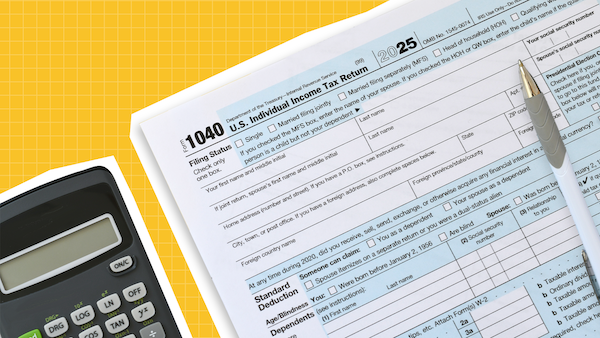
Most tax conversations in fundraising have focused on high-income donors, but starting in 2026, a quiet but meaningful shift in the tax code creates a new incentive for the majority of American donors to give.
What’s Changing in 2026
Beginning in 2026, taxpayers who take the standard deduction will be able to claim an above-the-line charitable deduction:
- Up to $1,000 for single filers
- Up to $2,000 for joint filers
This only applies to cash donations made directly to qualified charities and does not apply to donor-advised funds (DAFs) or private foundations.
Why this matters:
Nearly 90% of Americans do not itemize their taxes. And charitable giving has not provided a tax benefit for most of them. Starting in 2026, that changes.
For the first time in years, everyday donors—not just major donors—can see a direct tax benefit from their generosity.
How This Should Change Your Donor Communication
The tax change itself doesn’t drive giving, but how you talk about it does.
This is not about turning your donors into tax strategists. It’s about finding places in your communication to inject clear language that helps donors recognize that their giving now “counts” in a way it didn’t before.
Below are practical, low-lift ways to update your communications to reflect this shift.
1. Add Plain-Language CTAs
Consider adding language like:
“If you don’t itemize your taxes, this may be the first year your giving qualifies for a deduction.”
This single sentence alerts donors to a change that may positively impact them. Look at adding it to specific donation forms and appeal copy—especially around mid-level and year-end asks.
2. Use Progress Language to Create Momentum
The new deduction limits create a natural giving goal. Donors don’t need to understand tax brackets to understand progress. Adding goal language like “You’re $240 away from the full charitable tax deduction for single filers for 2026” can encourage subsequent and upgraded giving.
Consider testing it in mid-year updates, personalized donor portals, or stewardship emails before year-end.
3. Receipts and Thank-You Letters
This tax change makes receipts more important to everyday donors, but it can also serve as a reminder to keep on giving.
Add language to receipts and thank-you emails:
“Save this receipt. Because of new tax rules starting in 2026, many donors who don’t itemize may now deduct cash gifts such as this one. You may want to save this receipt for your records.”
This does three important things:
- Gets donors to engage and save your communications
- Signals legitimacy and professionalism and creates trust
- Increases the likelihood of a follow-up gift as a result
This is one of the simplest changes you can make.
4. Present a New, Practical Reason to Give Monthly
The importance of monthly donors is something we touch on often in our blogs, and these tax changes can give a new incentive for donors to join.
New framing language you can test:
- “Become a monthly donor. This is a simple way to reach the charitable deduction without a big one-time gift.”
- “Many supporters choose monthly gifts to spread generosity and still reach the annual deduction.”
This resonates with donors who:
- Take the standard deduction
- Prefer predictability
- Want generosity to feel manageable
It also changes it from selling a tax break to providing ease and consistency.
5. Update Year-End Copy to Match How Donors Actually Make Decisions
For non-itemizers, urgency matters more than optimization.
Shift from:
“Make your year-end tax-deductible gift.”
To:
“2026 is the first year many everyday donors can deduct their giving—don’t miss the chance.”
And try soft self-identification language like:
- “If you usually take the standard deduction…”
- “For donors who don’t itemize their taxes…”
This aligns with how people actually process decisions:
- Not wanting to miss out
- Fear of a closing window
- Clear, simple, and understandable next steps
The Bigger Picture
These changes allow nonprofits to align this new tax policy with how donors already give.
Simple changes to messaging provide:
- Donor-first language
- Small, consistent reminders that the majority of generosity now comes with tax benefits
- Clear and easy steps
This shift gives nonprofits a chance to speak directly to everyday donors, affirming their giving and reinforcing the importance of gifts of all sizes.